In short
Since 1 January 2018, a carbon monoxide detector has been mandatory in homes where a gas appliance is connected to a chimney. In Estonia about 40,000 households have such an appliance. A detector is also worth considering if you have a stove, a fireplace or a garage attached to the house, because carbon monoxide is invisible and has no smell. The GSMvalve smoke, carbon monoxide and temperature detector costs 82 €, and the Smoke Alarm package with a hub costs 254 €.
- Mandatory: a gas appliance connected to a chimney
- Recommended: wood stove, cooking range, fireplace, garage attached to the house
- Location: in the same room as the heat source and near the bedrooms
Carbon monoxide forms when wood, gas or coal doesn’t burn completely. You can’t see it or smell it, so people don’t realise something is wrong in the room. A carbon monoxide detector’s job is to detect the gas and raise the alarm. This matters most in the Estonian heating season, when stoves and boilers run every day.
Who needs a carbon monoxide detector?
Anyone who heats their home with a stove, fireplace or gas boiler. In more detail, it depends on the heating:
- Gas boiler or other gas appliance connected to a chimney. Here a carbon monoxide detector has been mandatory since 2018.
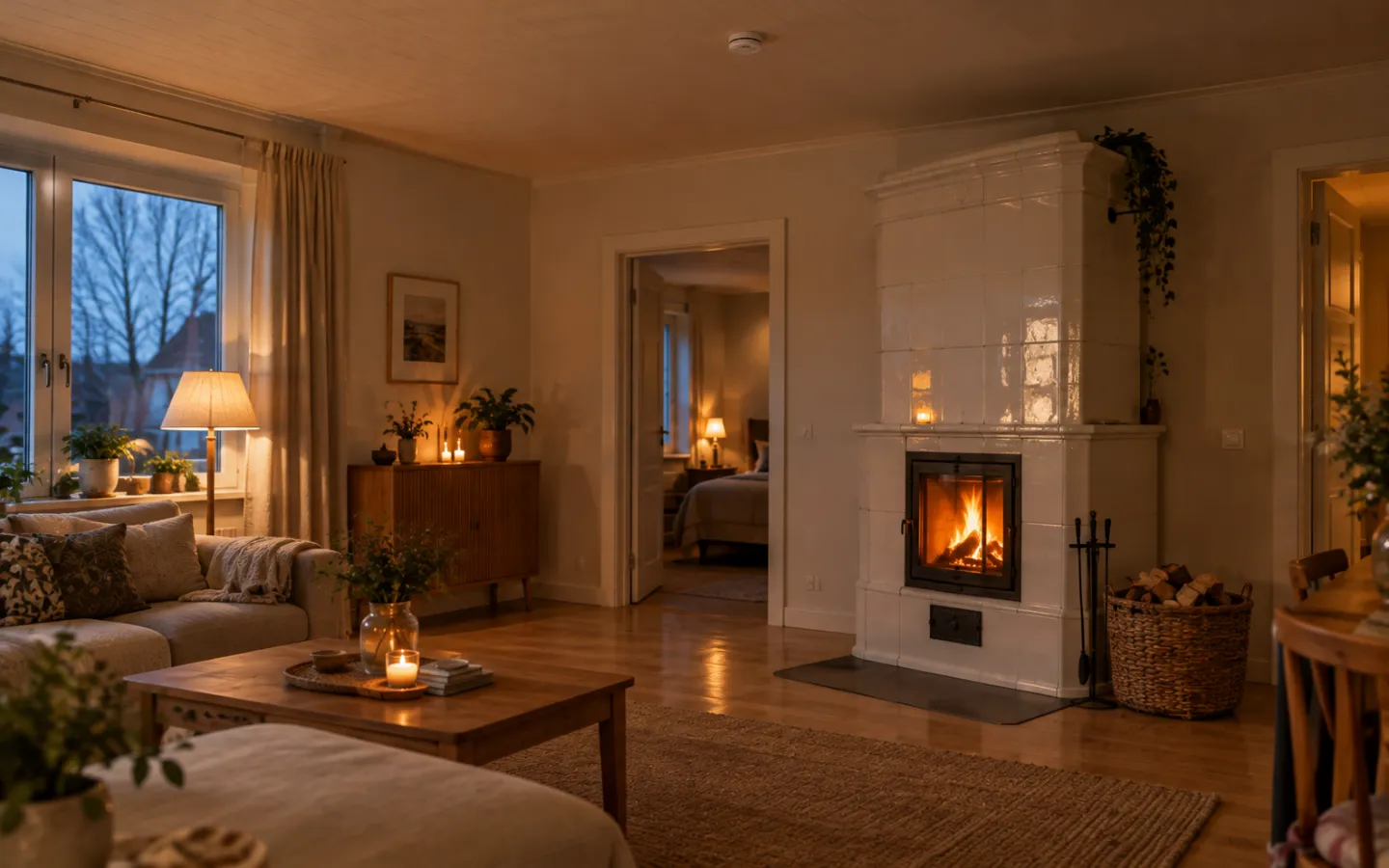
- Wood stove, wood-burning range or masonry heater. If the damper is closed too early while the embers are still glowing, carbon monoxide stays in the room.
- Fireplace or fireplace stove. Especially in a living room that is heated in the evening with a bedroom next door.
- Garage attached to the house. Car exhaust contains carbon monoxide, and it can get into the house through the garage door.
- Summer cottage or country house. The stove is lit rarely, and after a long break the chimney may not draw well.
If you have several heat sources, for example a stove in the living room and a boiler in the basement, put a detector in both places. One hub handles up to 96 devices, so an extra detector doesn’t need a separate system or a separate app.
What does the 2018 carbon monoxide detector rule require?
Since 1 January 2018, every home with a gas appliance connected to a chimney must have a carbon monoxide detector. In Estonia about 40,000 households have such an appliance. The carbon monoxide rule comes on top of the smoke detector requirement, not instead of it: under § 32(3) of the Fire Safety Act, every home must have a smoke detector anyway.
The law ties the carbon monoxide rule to gas appliances, but carbon monoxide forms in any heat source where burning is incomplete. Wood stoves and fireplaces are much more common in Estonian houses than gas boilers, so it is worth fitting a carbon monoxide detector even where it is not strictly required.
Where should a carbon monoxide detector go?
- In the same room as the heat source or gas appliance: the room with the stove, the boiler room, the living room with the fireplace.
- Near the bedrooms, because carbon monoxide is most dangerous while you sleep.
- Not directly above the stove, range or boiler: heat and steam interfere with the detector.
- Not next to a window, outside door or vent, because fresh air dilutes the gas before it reaches the detector.
- With a garage attached to the house, by the door between the garage and the living space, on the living space side.
The GSMvalve combined detector measures smoke, carbon monoxide and temperature in one unit. Because it is also a smoke detector, it goes on the ceiling like a normal smoke detector. In a two-storey house with the stove downstairs and the bedrooms upstairs, put one detector in the stove room and another in the upstairs corridor.
Tip. If the stove is in the living room with the bedroom next door, put the combined detector in the corridor between the two rooms or at the bedroom end of the living room. That way it picks up both smoke and carbon monoxide moving out of the stove room, and the heat from the stove doesn’t reach the detector directly.
What are the signs of carbon monoxide poisoning?
The first signs are general and easy to mistake for tiredness or a cold: headache, dizziness and nausea. If several people get the same symptoms at once, and just when the stove or boiler is running, there is reason to be careful. A sleeping person may not notice anything, which is why a detector near the bedrooms is so important.
If the carbon monoxide detector raises the alarm or you suspect carbon monoxide:
- Get into fresh air straight away and take the rest of the family and your pets out too.
- In an emergency or if someone feels unwell, call 112.
- Don’t go back in or light the stove until the cause is clear and the heat source has been checked.
If there was an alarm and the cause is unclear, have a chimney sweep check the chimney and heat source before you light it again.
Why choose a carbon monoxide detector that alerts your phone?
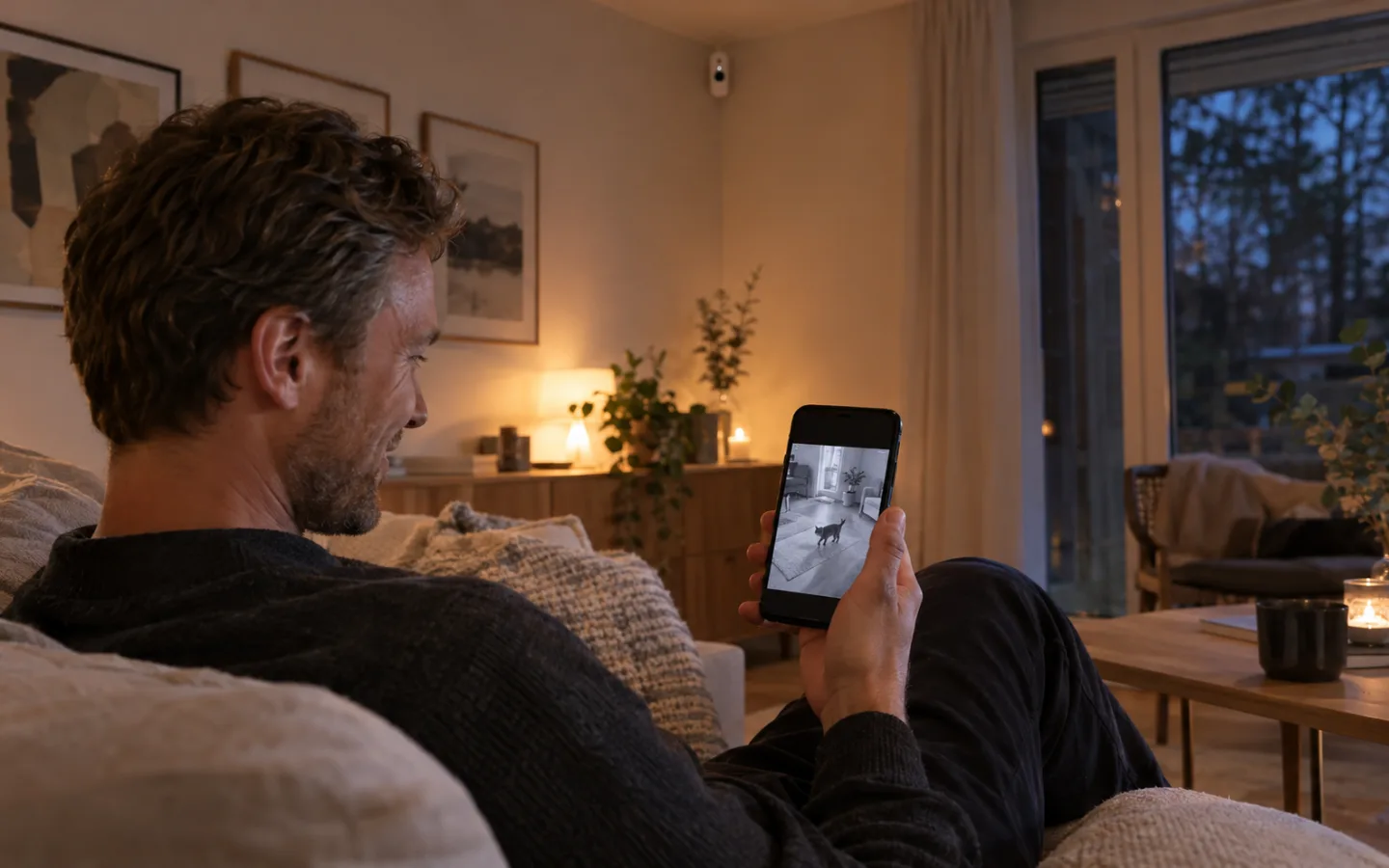
A standard carbon monoxide detector only sounds in the room where it is. If nobody is home, for example you are at work and the stove is still warm, nobody hears it. The GSMvalve combined detector is part of the alarm system: the alarm reaches your phone and the phones of all the users you have added, and the app shows which detector went off and when. The hub has a backup battery and a SIM card, so the notification goes out even during a power cut or internet outage.
This is especially useful at a summer cottage or country house where you light the stove at the weekend and drive back to town on Sunday evening. If the stove is still warm and something goes wrong, the notification reaches your phone even hundreds of kilometres away and you can ask a neighbour to check.
How much does a carbon monoxide detector cost?
The GSMvalve carbon monoxide detector is a combined one: a smoke, carbon monoxide and temperature detector in one device. If you already have an alarm system, it is added to the same hub. If you don’t have a system, the Smoke Alarm package, which you install yourself, is a good fit.
| Option | What’s included | Buy | Rent |
|---|---|---|---|
| Smoke, carbon monoxide and temperature detector | 1 detector for an existing system | 82 € | 3.72 €/month |
| Smoke Alarm package | hub + combined detector, install it yourself | 254 € | 12.40 €/month |
| Plus package | 11 devices, incl. a combined detector and a smoke detector | 678 € | 23.56 €/month |
Setup for the Smoke Alarm package costs 18.60 €: the SIM card is activated and the account set up remotely. When you buy, there is also a monthly fee of 9.18 €, which covers the app, mobile connection and customer support. The Plus package is installed by a technician, and installation costs 150 €. All prices include VAT.
Frequently asked questions
Is a carbon monoxide detector mandatory?
Since 1 January 2018, a carbon monoxide detector has been mandatory in homes with a gas appliance connected to a chimney. With a wood stove, fireplace or garage attached to the house, it is worth fitting one for the same reason, because carbon monoxide forms in any heat source.
Are a carbon monoxide detector and a smoke detector the same thing?
No. A smoke detector detects smoke, while a carbon monoxide detector detects carbon monoxide, which you can’t see or smell. The GSMvalve smoke, carbon monoxide and temperature detector does both and also measures temperature, so one device replaces two.
Where should a carbon monoxide detector go?
A carbon monoxide detector goes in the same room as the heat source or gas appliance, but not directly above it or next to a window or vent. If the stove room and the bedroom are separate, also put a detector near the bedrooms.
What should I do if the carbon monoxide detector goes off?
Get into fresh air straight away and take everyone else out too. If someone has a headache, dizziness or nausea, or the situation seems dangerous, call 112. Don’t light the stove or use the gas appliance until the cause is clear.
Read also: smoke, carbon monoxide and temperature detector · Smoke Alarm package to install yourself · Plus package for houses
Written by the GSMvalve team
Still have questions?